
The Deepstack poker show from Elton Tsang rests on a fairly simple premise: that poker on a screen has, for a long time, been a bit dull to watch. Tsang’s answer is a new episodic show set to launch later this year, and it borrows its ambitions from two shows that have almost nothing to do with cards - Squid Game and Netflix’s Drive to Survive. Whether that combination cures poker television’s oldest ailment is another matter, and one nobody can honestly answer until it airs.
What follows is what’s confirmed, what isn’t, and why the format choice is more interesting than the usual round of press-release enthusiasm suggests.
What is Deepstack, exactly?
Deepstack is a new poker show, still in production, and set to launch later this year. Tsang is behind it, and he told PokerNews he wants to do the thing every poker broadcaster claims to want to do and few manage.
Tsang says he wants to present poker in a different way from how people are used to.
The stated aim is to bring together the biggest players and the biggest audience, using the highest stakes and a more cinematic presentation. That’s the pitch in a sentence: put the best in front of the largest possible crowd and make it look like something worth sitting down for.
For reference points do a lot of the explaining. Squid Game supplies the episodic, must-watch appetite - the sense that each instalment leaves you wanting the next. Drive to Survive, Netflix’s Formula 1 series, supplies a model that has proven it can drag people who don’t care about the sport into caring about the people playing it. That second borrowing is telling. Drive to Survive didn’t succeed by explaining the aerodynamics of a rear wing. It succeeded by making viewers care about rivalries, tempers and the odd grudge.
Who is actually making it?
Running the production side is Managing Director Jelle Moene, and his framing of the project is refreshingly un-slick. There’s no promise of a finished, glossy machine here.
Moene says you have to think a little bit in the direction of Drive to Survive - it’s the biggest players and the highest stakes, made more cinematic, with the team learning as they go along, which is exactly how he thinks it should be.
That last idea is the honest bit. The team is filming with a trial-and-error approach, working things out as they go rather than arriving with a fixed template. In an industry fond of announcing the finished article before a single frame is shot, an admission that you’re figuring it out on the felt is either candour or a hedge. Probably both.
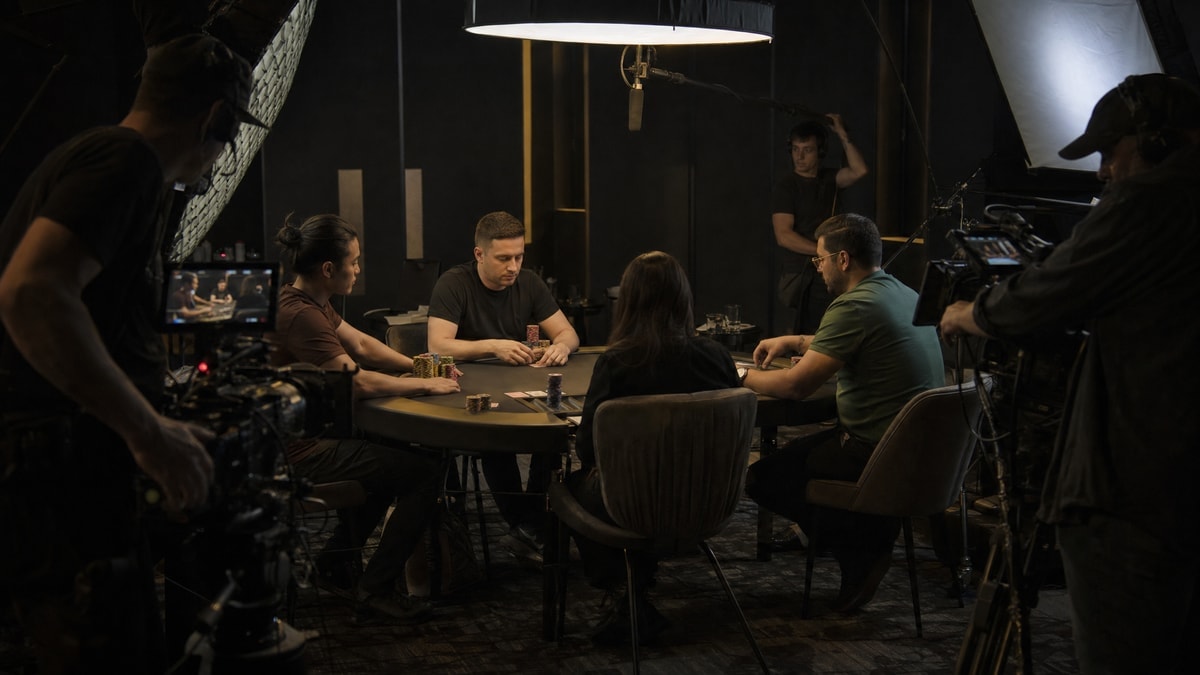
Worth noting what Moene did not say. There’s no confirmed launch date, no named distribution platform, no roster of players signed on, and no figures on the buy-ins, stakes or prize pools. The show leans hard on the idea of the highest stakes, but until a number lands on the table, that remains an ambition rather than a spec sheet.
Why the format matters more than the marketing
Poker’s problem on screen has never been a shortage of drama. It’s that the drama is often invisible. A player folds the nuts or makes a hero call, and unless the broadcast tells you why it mattered, you’re watching two people push chips at each other in silence. The game’s finest moments happen inside a player’s head, which is a terrible place for a camera.
The existing fixes have their limits. Hole-card graphics and win-percentage bars turn poker into a spectator sport by handing the audience information the players don’t have. That works, up to a point. But it also flattens the human element into a running probability, and the probability is rarely the interesting part.
Drive to Survive went the other way. It cared less about lap times than about the person having a bad week. Applied to poker, that means building episodes around players rather than pots - the backing arrangement gone sour, the downswing nobody talks about, the bad beat that ruined someone’s month. Poker has no shortage of those stories. What it has generally lacked is the budget and the patience to tell them properly.
That’s the wager Deepstack is making. Not that poker needs better graphics, but that it needs better storytelling. It’s a reasonable bet. It’s also an expensive and difficult one, which is presumably why so few have tried it at this scale.
Has anyone tried this before?
Plenty have poked at the edges, and the current moment is thick with people rethinking how the game reaches a screen - from streamers drifting away from Twitch and YouTube toward formats they control, to a general appetite for reinvention. The question is whether cinematic ambition survives contact with a poker table, which is, by nature, static, slow and full of long silences.
That’s where the Squid Game reference is a slightly awkward fit. Squid Game had elimination, physical stakes and a ticking sense of consequence baked into every scene. Poker’s consequences are financial and internal, and a felt table is not a set designed for tension. Making it look cinematic is one thing. Making it feel cinematic, episode after episode, is a harder trick - and the one that will decide whether Deepstack is a fresh format or a well-lit version of what already exists.
Tsang’s own standing as a high-stakes player gives the promise of the biggest players and highest stakes some weight it might otherwise lack. If anyone can assemble the calibre of field the pitch requires, it’s someone from inside that world rather than a producer knocking on doors from outside it. High-stakes veterans like Jason Koon and Bryn Kenney are the kind of names such a field would need. Whether players who thrive on privacy will submit to the Drive to Survive treatment - the confessionals, the access, the exposed grudges - is a separate and thornier question. The format’s whole appeal depends on people being willing to be filmed at their least composed, and poker professionals have built entire careers on revealing nothing.
What to watch for when it lands
When Deepstack finally airs, a few things will tell you quickly whether the ambition translated.
First, the access. Does the show actually get into players’ heads and lives, or does it settle for slow-motion chip riffles and a moody soundtrack over the same old coverage? The difference between Drive to Survive and a highlight reel is entirely a matter of access, and access is the hardest thing to secure from people who guard their edges.
Second, the pacing. Episodic television lives or dies on the hook that pulls you to the next instalment. A poker session doesn’t naturally divide into cliffhangers, so the editing will have to manufacture them without feeling manufactured. That’s a fine line, and the trial-and-error approach Moene describes suggests they know it.
Third, the numbers, whenever they surface. The highest stakes is doing a lot of work in the current messaging. A confirmed buy-in and prize structure will say more about the show’s actual reach than any comparison to a Netflix hit. For newer viewers trying to work out whether the money on the table is real or theatrical, our poker glossary is a useful reminder that the figures on screen and the money in players’ pockets are rarely the same thing.
For now, Deepstack is a promising idea with a tidy pitch and an honest producer, still being filmed and still working itself out. That’s not nothing. In a genre that has spent years struggling to make a card game look as gripping as it feels to the people playing it, an ambitious swing is worth watching - even if, at this stage, the most honest thing anyone can say about it is that they’re learning as they go along.


