
The Sammy Farha dealer attack in Houston is the story moving through the live poker world this week, and it’s a heavy one. Farha, a fixture at high-stakes cash games for more than two decades, was reportedly banned for life from a Houston social club after allegedly physically attacking a dealer during a session. The dealer was reportedly injured and filed a police report. That’s the shape of it. Let’s walk through what that actually means, what we still don’t know, and why a name this big makes the story land harder.
Who is Sammy Farha, and why does this hit different?
If you came to poker through the televised boom, you know the face even if the name takes a second. Farha famously sat across from Chris Moneymaker at a WSOP Main Event final table - the cash game specialist who became the perfect foil for the amateur who shocked the world. He’s been a recognizable high-stakes figure ever since, more at home in a deep-stacked side game than grinding a tournament ladder.
That profile is why this story travels. When a nameless rec player blows up at a dealer, it stays in the room. When someone with Farha’s standing is attached to an allegation like this, it becomes a question about conduct, security, and how card rooms handle the people who make them money.
And the facts here need handling with care. What’s been reported is an alleged physical attack on a dealer, an injury, a police report, and a lifetime ban. Everything beyond those pillars is unconfirmed.
What we actually know - and what we don’t
Here’s the verified spine of the story. Farha allegedly attacked a dealer during a cash game at a Texas card room. The dealer was reportedly injured and filed a police report. And Farha was reportedly banned for life from the Houston social club involved. The reporting trail runs through PokerFuse, which references a PokerNews piece as its original source.
Now the gaps. The exact date of the incident hasn’t been reported. I’m not going to name the specific club, because the available spelling of the venue looks unreliable. The dealer’s identity and the extent of their injuries aren’t public. Whether any charges have been filed or legal action is pending is unknown. And Farha’s own account - his side, any denial - hasn’t surfaced in what’s been reported.
That last absence matters. A police report is an accusation, not a verdict. A lifetime ban is a business decision a club can make on its own, not a finding of fact in a courtroom. Keep both of those straight and you’ll read this story more clearly than most of the chatter around it.
Why Houston, and why the social club model changes things
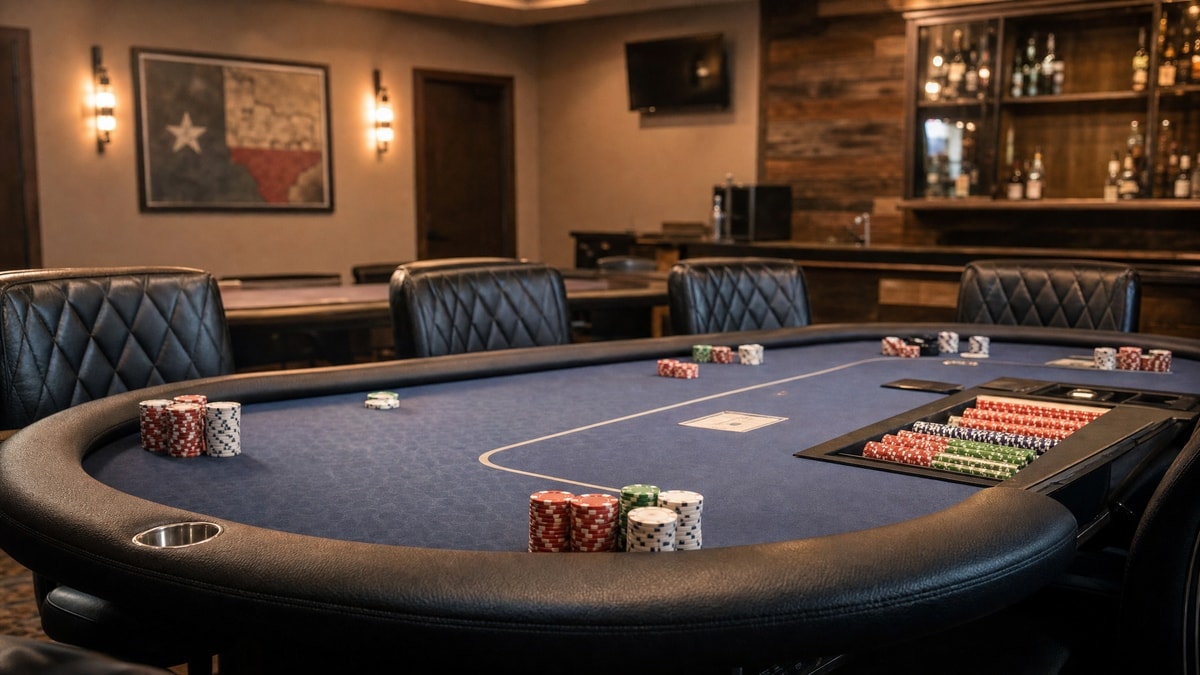
To understand the backdrop, you have to understand how poker survives in Texas. The state doesn’t have casino poker the way Nevada does, so the game runs through membership-based card rooms built on a social-club structure - members pay for access and for time or seat rental, and the house doesn’t rake the pot. It’s a legal workaround that has built a real boom across Austin, Dallas, and Houston.
We’ve covered how fast that world is expanding - the Champions Social Club opening its Dallas room and the Lodge reopening its doors are both part of the same Texas surge. But these are private clubs, not regulated casinos with the kind of surveillance-backed enforcement and incident-reporting chains that come standard on a licensed gaming floor.
That’s the subtext of the Farha story. In a social club, the main enforcement tool is the one reportedly used here: the ban. Lifetime exclusion is swift and final, but it’s also most of the toolkit. There’s no league office handing down a suspension, no central conduct database following a player from room to room. A ban at one club doesn’t stop anyone from buying in across town.
Dealers are the ones in the chair
Strip away the celebrity angle and what’s left is a worker who was reportedly hurt doing the job. Dealers sit at the pressure point of every bad beat, every cooler, every tilt-fueled meltdown in the room. They’re the nearest human target when a stack vanishes, and they have little leverage when a player decides to make it physical.
This isn’t the first time dealer welfare has forced its way into the poker conversation. The wider debate has run from dealer compensation at WSOP Europe to the argument over WSOP’s dealer rating system. Those were debates about pay and reviews. This is further down the same road, where it stops being about policy and starts being about safety.
An allegation this serious, attached to a name this recognizable, tests whether the booming Texas club scene has grown up its conduct enforcement as fast as it’s grown its player pools. A lifetime ban answers one night. It doesn’t answer the structural question underneath.
Where this goes from here
For now, the story sits in that frustrating middle ground - serious enough to matter, incomplete enough that responsible coverage has to leave blanks. We don’t have Farha’s response. We don’t know whether the police report becomes charges or fades into the file. We don’t know the dealer’s name or how badly they were hurt, and that’s their call to keep private.
What we do have is a reported lifetime ban handed to one of the most recognizable cash-game figures of the television era, and a reported police report filed by the person who was running his game. Those two facts carry the entire story.
PokerRift will update this if and when the record fills in. Until then, treat every unconfirmed detail floating around like a river card nobody’s turned over yet.


